Unraveling the Closing Shift Story: A Deep Dive Into Chilla's Art Psychological Horror
Explore the eerie closing shift story in Chilla's Art psychological horror hit. Discover narrative breakdowns, character encounters, and endings.
Navigating a late-night job can feel nerve-wracking, but nothing compares to the psychological dread found within a truly immersive closing shift story. For players diving into Chilla's Art psychological horror titles, experiencing a harrowing closing shift story brings visceral tension straight to the screen. As urban isolation and workplace anxiety rise, exploring these dark narratives helps us understand why survival horror hits close to home.
Understanding The Closing Shift and Its Premise
Chilla's Art has carved a distinct niche in the independent horror gaming landscape, known for VHS aesthetic filters, atmospheric dread, and realistic Japanese urban environments. The developer's focus on ordinary jobs turned upside down creates a unique sense of vulnerability. You can view official media and player discussions by visiting The Closing Shift on Steam.
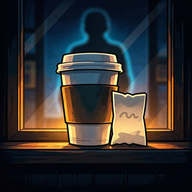
The game places players in the shoes of a young female barista working solo night shifts at a coffee shop. Against a backdrop of rising harassment and stalker cases in the city, she must balance mundane duties with mounting terror.
Breaking Down the Core Narrative Arc
The gameplay loop of this closing shift story revolves around repetition, routine, and escalation. Each night follows a similar rhythm: arriving for work, brewing drinks, cleaning tables, and taking out the trash, only for the environment to become increasingly hostile.
Early on, the protagonist receives subtle warning signs—creepy notes left by an anonymous admirer who claims they first met on a specific date. As days pass, these notes become more frequent and personal, signaling that someone has been watching her without her knowledge.
Character Analysis and Creepy Encounters
A significant portion of the closing shift story relies on memorable, unsettling interactions with various characters who filter through the coffee shop. These encounters blur the line between harmless eccentricity and genuine threat.
Community reports and player experiences highlight how these NPCs heighten tension. Some customers appear distracted or under the influence, while others display overtly predatory behavior.
Unraveling the True Ending and Realities
The climax of the narrative delivers a gut punch that forces players to question what is real. After discovering the private investigator's corpse on the roof and realizing her life is in immediate danger, the protagonist uses a cinder block to strike down her assailant.
However, when police investigate the scene, no body or evidence remains. The authorities dismiss her claims, leaving her isolated and drowning in paranoia. The chilling final moments reveal that the nightmare has breached the sanctuary of her own apartment.
Why This Narrative Resonates with Players
Beyond the jumpscares, the closing shift story resonates deeply because it taps into very real societal fears. The protagonist continues returning to her dangerous job not out of recklessness, but because economic survival leaves her with no viable alternatives.
Finding affordable housing near a workplace is difficult, and abandoning everything isn't always possible. This lack of choice creates a powerful thematic undertow that elevates the game above standard indie horror fare.
Frequently Asked Questions about the Closing Shift Story
What is the primary plot of The Closing Shift?
The story follows a young female barista working solo night shifts at a coffee shop while dealing with escalating notes and encounters from an obsessive stalker.
How does the closing shift story address real-world issues?
It highlights themes of urban safety, the vulnerability of service workers on night shifts, and how economic constraints force individuals to remain in precarious situations.
Is the stalker supernatural or human?
While the narrative flirts with paranormal elements and ghost stories told by customers, the stalker is ultimately a human whose obsession drives the psychological horror.
Can the protagonist escape her fate in the end?
The narrative concludes on a bleak, ambiguous note where the stalker ultimately ambushes her in her apartment, leaving her fate sealed.
Related Guides
Decoding the Chilla's Art Closing Shift Lore: A Complete Story Breakdown
Explore the terrifying closing shift lore from Chilla's Art. Uncover the psychological horror, hidden stalker details, and chilling endings explained.
Decoding the Closing Shift Ending Meaning: Theories and Story Analysis
Explore the chilling narrative of Chilla's Art's psychological horror game and uncover the true closing shift ending meaning with our in-depth guide.
The Closing Shift Explained: Story, Chills, and Hidden Meanings
Dive deep into Chilla's Art psychological horror masterpiece. Get the complete closing shift explained, including plot twists and endings.
The Closing Shift Plot Explained: Unraveling the Chilla's Art Psychological Horror
Dive deep into the terrifying psychological horror of Chilla's Art with our complete closing shift plot explained, covering all endings and lore.