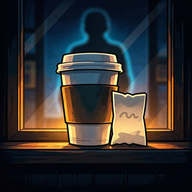
Decoding the Chilla's Art Closing Shift Lore: A Complete Story Breakdown
Explore the terrifying closing shift lore from Chilla's Art. Uncover the psychological horror, hidden stalker details, and chilling endings explained.
If you are a fan of immersive psychological horror, exploring the chilling closing shift lore offers a terrifying look into urban isolation and stalking paranoia. Delving into the intricate closing shift lore helps players uncover the hidden meanings behind the haunting notes, menacing strangers, and the ultimate grim fate of the young barista protagonist. Created by the acclaimed indie developer Chilla's Art, you can check out The Closing Shift on Steam to experience this psychological thriller firsthand, which turns a mundane late-night job into an inescapable nightmare.
The Premise and Setting the Stage
The narrative kicks off against a grim backdrop where cases of harassment and stalking are steadily climbing in the city. The protagonist, a young female barista working solo late-night shifts at a local coffee shop, becomes increasingly wary of her personal safety. As you piece together the closing shift lore, you realize that her vulnerability is compounded by financial pressure and societal indifference.
Working long hours at a low-paying service job leaves her with few alternatives, forcing her to endure uncomfortable customer interactions and eerie late-night routines just to make ends meet.
Unraveling the Escalating Terror
As the shifts progress, the atmosphere shifts from mundane customer service to outright psychological warfare. The protagonist begins receiving unsettling notes from an unknown admirer who has been observing her daily habits without her knowledge.
According to community reports, these early subtle hints build tension effectively before plunging the player into outright panic. Between warnings from a private investigator, bizarre customer encounters—such as a topless dancer and vain customers demanding phone numbers—and sudden electrical blackouts, the narrative tension never lets up.
The Stalker’s Profile and Hidden Motives
Understanding the true depth of the closing shift lore requires examining the obsessive nature of the stalker. Throughout the game, clues indicate that the stalker has managed to infiltrate the building's roof storage room, setting up a makeshift living space complete with a mattress, drinks, and stolen photographs of the protagonist.
This reveals a deeply disturbed individual who views his twisted fixation as a genuine romantic relationship, celebrating anniversaries based on the day they first crossed paths at the counter.
Breaking Down the Chilling Endings
The climax of the story delivers a brutal subversion of player expectations. After discovering the private investigator's lifeless body on the roof, the protagonist is left with no choice but to defend herself by dropping a heavy cinder block onto her attacker.
However, player experience highlights the gut-wrenching realization that institutional support fails her completely. When she reports the incident to the police, the authorities find no physical evidence or body, dismissing her claims and leaving her trapped in a cycle of isolation and creeping dread.
Psychological Realism and Community Perspectives
Many players have discussed how the core themes of closing shift lore reflect real-world anxieties. The horror does not stem solely from a supernatural monster, but rather from the grim reality of economic precarity.
Community reports frequently emphasize that the protagonist stays at her job despite the glaring red flags because finding affordable housing and employment in close proximity is exceedingly difficult. This psychological realism elevates the game from a standard jump-scare simulator to a poignant commentary on modern urban vulnerability.
Frequently Asked Questions
What is the main inspiration behind closing shift lore?
The narrative draws heavily from modern urban legends, Japanese psychological horror tropes, and the very real dangers faced by retail and service workers operating solo late-night shifts.
Why doesn't the protagonist simply quit her job?
As explored deeply within the closing shift lore, extreme financial constraints, the difficulty of finding affordable housing near workplaces, and a lack of support leave her trapped in a dangerous environment with seemingly no viable exit strategy.
Is the private investigator's disappearance supernatural?
While the game features eerie, surreal elements and unsettling nightmares, the sudden disappearance of physical evidence and bodies highlights police negligence and the protagonist's spiraling psychological breakdown rather than overt paranormal intervention.
How does Chilla's Art build suspense throughout the game?
The developer utilizes minimalist sound design, liminal spaces, environmental storytelling through creepy notes, and slow-burn pacing to keep players constantly on edge.
Related Guides
Decoding the Closing Shift Ending Meaning: Theories and Story Analysis
Explore the chilling narrative of Chilla's Art's psychological horror game and uncover the true closing shift ending meaning with our in-depth guide.
The Closing Shift Explained: Story, Chills, and Hidden Meanings
Dive deep into Chilla's Art psychological horror masterpiece. Get the complete closing shift explained, including plot twists and endings.
The Closing Shift Plot Explained: Unraveling the Chilla's Art Psychological Horror
Dive deep into the terrifying psychological horror of Chilla's Art with our complete closing shift plot explained, covering all endings and lore.
Unraveling the Closing Shift Story: A Deep Dive Into Chilla's Art Psychological Horror
Explore the eerie closing shift story in Chilla's Art psychological horror hit. Discover narrative breakdowns, character encounters, and endings.