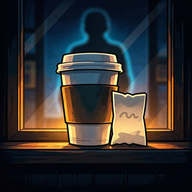
Decoding the Closing Shift Stalker: Psychology and Survival Guide
Explore the chilling mechanics and psychological terror behind the infamous closing shift stalker in Chilla's Art horror hit.
Working late-night retail or food service jobs always carries a quiet, mundane dread, but facing a relentless closing shift stalker turns an ordinary shift into a waking nightmare. As players dive into Chilla's Art psychological horror masterpiece, the looming threat of the closing shift stalker transforms a cozy coffee shop into a claustrophobic trap where every locked door and flickering fluorescent light matters.
Understanding the Menace Behind the Counter
The psychological weight of being watched is central to why horror games resonate so deeply. When you step into the shoes of the protagonist, the routine tasks of cleaning espresso machines and taking final orders quickly give way to paranoia. Community reports indicate that the tension builds precisely because the antagonist blends into the mundane environment of a late-night urban storefront.
Unlike supernatural monsters that burst through walls, this threat relies on realism, patience, and spatial invasion. The slow escalation makes every glance toward the window feel genuinely hazardous.
Gameplay Mechanics and Encounter Stages
Survival in this psychological thriller requires recognizing subtle environmental cues. The progression of the haunting follows a structured pattern designed to break down the player's sense of safety step by step.
At first, the antagonist appears merely as an unusual customer with lingering stares. By the final nights, the boundaries between public spaces and private areas dissolve entirely. Managing your shift duties while keeping an eye on external blind spots is the core puzzle of the experience.
Psychological Horror Elements in Chilla's Art Design
Chilla's Art is renowned for capturing the eerie atmosphere of late-night Japan, utilizing VHS filters, minimalist sound design, and realistic urban architecture. The design of the antagonist taps into real-world fears of urban isolation and stalking.
According to player experience feedback, the absence of constant jump scares actually amplifies the terror. Instead, the game relies on ambient dread—the sound of footsteps outside the locked back door or a shadow shifting behind the milk fridge.
For more details on how indie horror developers craft these terrifying atmospheres, you can check out the official Steam Page for The Closing Shift.
Survival Strategies and Community Reports
If you want to outsmart the antagonist and survive until morning, efficiency and situational awareness are your best tools. Veterans of the game recommend completing mundane tasks as quickly as possible without sacrificing your line of sight to entry points.
Here are the top community-vetted tactics for navigating the final hours of your shift:
Frequently Asked Questions (FAQ)
Who is the antagonist in this psychological horror game?
The antagonist is an unnamed customer who develops a dangerous fixation on the protagonist, transforming an ordinary job into a harrowing battle for survival.
How does the closing shift stalker impact the overall gameplay loop?
The threat forces players to balance routine simulation tasks—like brewing coffee and cleaning—with constant environmental vigilance and stealth mechanics.
Where can I play the game featuring this infamous character?
The title is widely available on digital storefronts like Steam, where players can experience the full narrative arc and atmosphere firsthand.
Related Guides
The Ultimate Guide to Closing Shift Characters and Interactive Horror Gameplay
Discover all about closing shift characters, their unique voice-interactive mechanics, and how to survive the night in this intense Roblox horror game.
Uncovering the Closing Shift Stalker Identity: A Deep Dive Into Chilla’s Art Masterpiece
Explore the chilling theories behind the closing shift stalker identity in Chilla's Art psychological horror hit. Discover character breakdowns, endings, and lore.
What to Expect During a Closing Shift Barista Routine: Hours, Duties, and Community Insights
Discover what a closing shift barista actually does, typical hours after closing, deep cleaning standards, and community reports on cafe closing times.